

How Does Assisted Living Promote Mental Well-Being?
Assisted living communities are designed to support more than just physical needs—the environment, social opportunities, and daily routines also play a significant role in maintaining and enhancing mental and emotional health. Local households in Jersey Shore, PA find that assisted living offers a unique mix of practical supports and lifestyle features aimed at overall well-being, not just care.
What Social Opportunities Are Offered and Why Are They Important?
Consistent social engagement is essential for older adults’ mental health. Assisted living settings are structured to reduce loneliness and encourage regular interaction, which are both predictors of better mood and cognitive function.
- Common areas such as lounges and dining rooms make spontaneous conversations possible.
- Scheduled group activities—a hallmark of many communities—allow residents to participate in games, clubs, or fitness classes alongside peers.
- Special events, like seasonal celebrations or art workshops, appeal to diverse interests and create shared experiences.
The rural-to-small-town nature of Jersey Shore brings a community-centered atmosphere; local residents often discover common ground through shared backgrounds or regional traditions, making it easier to form friendships. This daily social structure helps residents feel connected and less isolated, a known risk factor for depression.
How Does Routine and Structure Benefit Mental Health?
A predictable routine can provide stability and peace of mind, especially for adults facing memory changes or mobility limitations. Assisted living communities typically offer structured schedules for meals, medication, and activities.
Having a set daily rhythm:
- Makes it easier to remember important self-care tasks.
- Creates opportunities for gentle exercise or time outdoors, which is known to lift mood.
- Reduces anxiety by eliminating the unpredictability of living alone.
These benefits may be especially important during winter months in Jersey Shore, when shorter days and limited outdoor accessibility can impact mood and motivation. The reassurance of reliable daily routines, with support on hand, helps residents feel secure.
How Are Emotional and Psychological Needs Addressed?
Emotional well-being is supported in assisted living through both formal and informal channels. Staff are typically trained to recognize signs of distress, such as withdrawal, sadness, or confusion, and may encourage residents to talk about what they’re experiencing.
Support happens through:
- Informal chats with staff who often become familiar faces and trusted listeners.
- Peer support as residents share life stories or comfort one another during tough times.
- Access to mental health professionals if more specialized help is needed—for example, through visiting therapists or telehealth.
Events like the changing of the seasons or missing family members can stir up strong feelings. Staff can provide extra companionship and accommodate residents who need private time, helping individuals adapt to transitions and emotions.
What Role Does Physical Wellness Play in Mental Health?
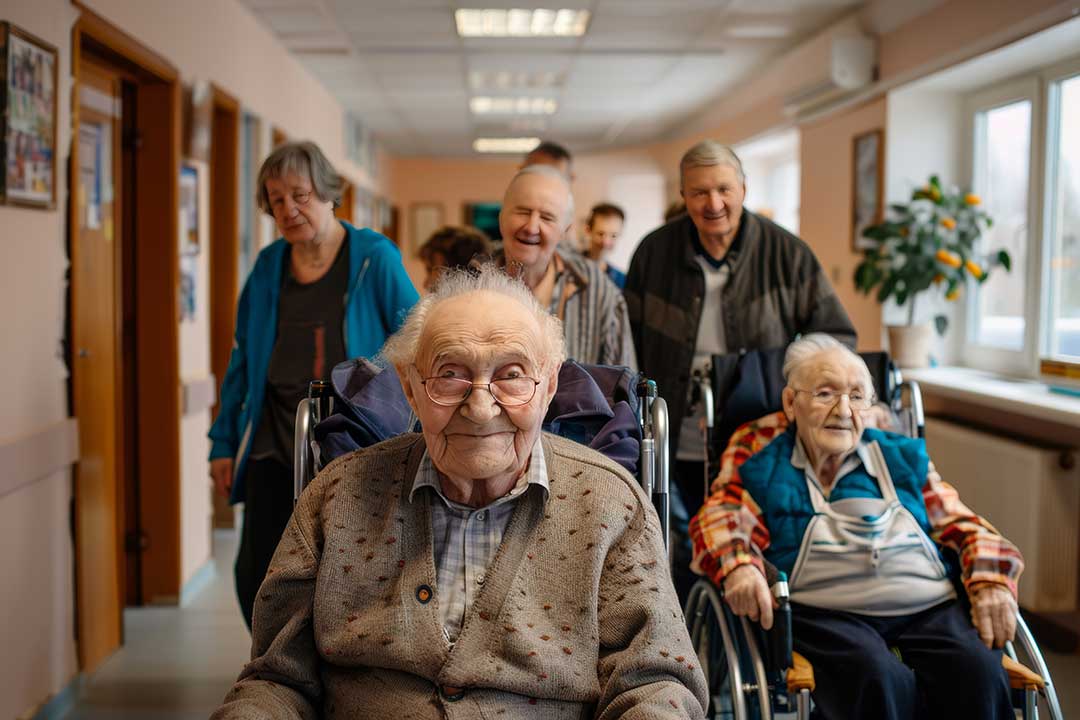
Physical and mental wellness are closely connected. Assisted living settings are built to promote both:
- Nutritious, balanced meals reduce risk factors for cognitive decline and improve mood.
- On-site access to gentle exercises or walks around safe, landscaped grounds encourages movement.
- Help with personal hygiene and health care management removes stressors that might otherwise impact self-esteem or comfort.
For local residents, adapting to seasonal weather—such as snow or heavy rain—can limit outdoor activity. Assisted living provides indoor options for movement and social activities year-round, so residents are less likely to experience the inactivity that can worsen depression or anxiety.
How Are Privacy and Independence Supported?
Residents often fear losing their independence, which can cause stress and impact self-worth. Good assisted living programs aim to maintain as much choice and self-direction as possible:
- Residents can usually select which activities they join, when they see visitors, and how they set up their own living space.
- Privacy is respected: staff knock before entering and personal preferences are honored within health and safety boundaries.
Balancing safe support with autonomy helps preserve residents’ dignity and sense of purpose—core parts of healthy mental well-being.
Are There Common Misconceptions About Assisted Living and Mental Health?
Many local families worry that moving into a group setting means giving up personal control or individuality, but assisted living is not the same as institutional care. Residents typically can personalize their spaces, continue hobbies, and keep community ties. Another common belief is that only people with major physical or cognitive needs benefit, but assisted living is also designed for those who want support managing daily life and maintaining social connections—key for mental health at any age.
What Should Residents Expect Seasonally or in Rural Settings?
The geography of Jersey Shore brings particular considerations: limited walkability, variable weather, and distance between homes. For residents accustomed to rural living, assisted living helps bridge the gap by concentrating resources—meals, transportation, medical support—in one place. Winter isolation is less likely, and events are adapted to include familiar traditions or regional foods.
During snowy or icy months, activities are moved indoors, and transportation is coordinated for essential errands or appointments. This flexibility ensures that social and health needs are met without the risks or stress of navigating harsh conditions alone.
