

How Does Technology Help Residents in Assisted Living?
Technology increasingly shapes daily routines and safety in assisted living communities. For residents in Jersey Shore, PA, digital tools and devices help with everything from communication and entertainment to health monitoring and emergency response. The benefits are most visible in improved connection with family, safer living environments, and greater independence for those who may need extra support.
What Are the Most Common Technologies Used by Residents?
Assisted living communities in Jersey Shore often provide or support a mix of technologies aimed at convenience, safety, and social engagement. Residents may encounter:
- Personal emergency response systems (PERS): Wearable pendants or wristbands allow users to call for help with a button press if they fall or feel unwell.
- Medication management devices: Automated pill dispensers can remind residents when to take their medications, reducing missed doses and errors.
- Video calling and tablets: Touchscreen devices and simple video platforms help residents keep in contact with distant family and friends, especially important during winter months or when travel is difficult.
- Online activity calendars: Digital displays in common areas and on residents’ devices can list upcoming events, meals, and scheduled appointments, making it easier to remember daily commitments.
- Smart home features: Voice-activated assistants, automated lights, and smart thermostats provide extra comfort and control, useful in the region’s variable seasonal temperatures.
- Health monitoring tools: Blood pressure cuffs, glucose monitors, and weight scales that upload data directly to healthcare providers support ongoing wellness and quicker intervention if needed.
Are These Technologies Easy for Older Adults to Use?
Most newer technologies in assisted living are designed for simplicity. Large buttons, clear screens, and spoken instructions are priorities. Many staff members in Jersey Shore facilities receive training to help residents learn new devices and feel comfortable asking questions. It is normal for some individuals to feel cautious about digital tools at first; most adapt with patient guidance and hands-on demonstration.
Families and friends commonly assist as well. Residents often find it easier to try new devices when someone familiar helps demonstrate and practice, especially with video chats or online photo sharing.
Do Technology Solutions Improve Safety?
Yes, many technology aids have been shown to reduce accidents and increase response times. In environments where icy sidewalks and winter weather can lead to falls, having an emergency response device can decrease the risk of being left unattended after an injury. Monitoring systems—like motion sensors in rooms—can also alert staff if a resident has not moved for an unusual amount of time.
Automatic lighting helps prevent nighttime trips and falls, while sensor-based stoves and ovens help avoid kitchen accidents. Data from health monitoring tools can signal caregivers or medical providers if a resident’s vital signs change suddenly, allowing for quicker medical attention.
How Does Technology Support Social Connection?
Technology bridges gaps that distance, weather, or mobility may create. In-person gatherings are often the heart of community life, but video calls, digital photo albums, and group chats allow residents to maintain outside friendships, attend virtual religious services, or participate in other remote activities. Public computers or tablets are usually available in common rooms, and Wi-Fi access has become a basic necessity, enabling everyone to stay in touch as needed.
Some residents enjoy online games, book clubs, or classes, which can be a bright spot during stretches of colder weather or limited mobility days. The ability to remain socially active, even from one’s own room, helps combat loneliness and fosters a sense of inclusion.
What About Privacy and Data Security?
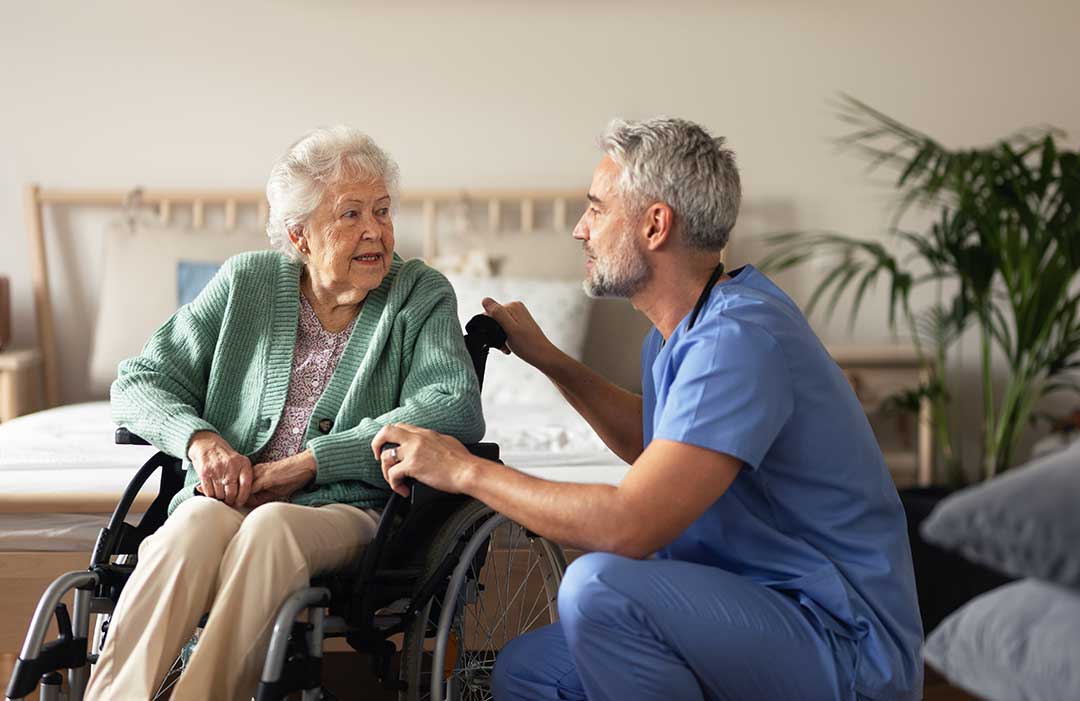
Concerns about privacy and the security of personal health data are understandable. Residents in assisted living communities have the same rights to digital privacy as anyone else. Most reputable technologies used in assisted living are designed to follow strict privacy guidelines set by regulators. Still, it’s wise to ask how personal information is stored and who can access it.
Residents and families can request information about any device installed in private spaces, and staff should be able to explain both how a given technology works and what safeguards are in place.
Are There Technology Challenges in Rural Areas?
Local geography and infrastructure can play a role in how technology is accessed. In a rural setting like Jersey Shore, occasional power outages or slower internet connections can affect digital convenience. Assisted living communities typically use backup systems and prioritize keeping critical devices operational during storms or blackouts.
Residents and families should be aware that technology isn’t a perfect replacement for human care or attention. Devices are best used as supportive tools, not substitutes for personal relationships and local support networks.
What Should Residents and Families Consider Before Embracing New Technology?
Consider whether a device fits with current routines, is reasonably easy to use, and addresses a genuine need. Involving the resident in the choice—rather than deciding solely for them—helps ensure the technology feels empowering, not confusing or invasive.
It’s practical to:
- Explore trial periods before making major purchases
- Ask for a demonstration from staff or family
- Check if someone familiar can help with setup or troubleshooting
- Stay informed about updates or new features that might require relearning
Digital tools can enhance life in assisted living, but comfort and familiarity still matter. Balancing useful technology with personal preferences is usually the best approach for residents and families in Jersey Shore looking to improve daily living and peace of mind.
