
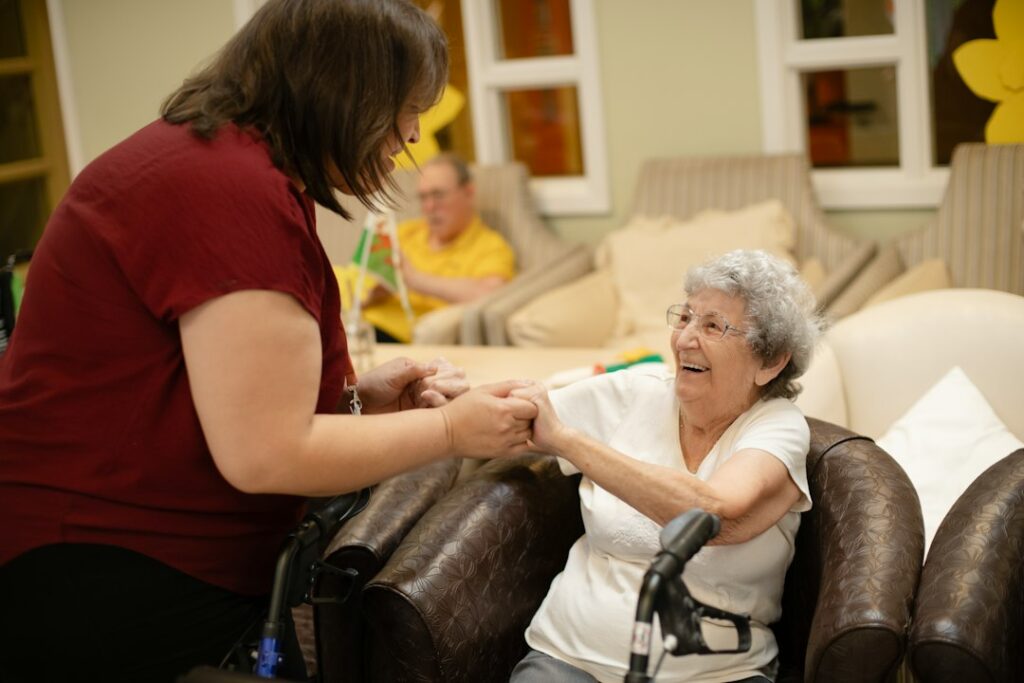
Assisted living can provide a combination of housing, personal support, medication help, and access to outside health professionals. For residents in Jersey Shore, PA, the exact services depend on the residence, the individual’s care plan, and whether more advanced medical care is needed.
Assisted living is generally intended for people who need help with daily activities but do not require the continuous medical care provided in a nursing facility. Understanding the difference can make it easier for residents and families to ask useful questions before a move.
What health-related support is commonly available?
Most assisted living residences provide routine support with daily care and help coordinate medical services. These services are usually based on an assessment of the resident’s needs.
Common assistance may include:
- Bathing, grooming, dressing, and personal hygiene
- Walking, transferring between a bed and chair, and positioning
- Toileting and bladder or bowel care
- Eating, drinking, and monitoring for nutrition concerns
- Assistance with mobility devices
- Arranging transportation to medical appointments
- Communicating with family members or designated representatives about care needs
- Help making and keeping healthcare appointments
The purpose is to support independence while reducing risks associated with falls, missed medications, poor nutrition, or difficulty managing daily routines.
How are medications handled?
Medication support is one of the most common health services in assisted living. Depending on the resident’s abilities and care plan, staff may remind a person to take medication, assist with self-administration, or administer medications directly.
Medication services may involve:
- Organizing medications according to an approved schedule
- Providing reminders
- Observing or assisting with prescribed medication use
- Administering medications when the resident cannot safely do so
- Recording medication administration
- Reporting missed doses, side effects, or changes in condition
- Coordinating prescription changes with the resident’s medical team
Residents should ask how the residence handles insulin, controlled substances, inhalers, eye drops, patches, and medications taken only as needed. A person who manages medications independently at admission may require more support later, so the process for reassessment also matters.
Do assisted living residences provide nursing care?
Some nursing services may be available, but assisted living is not the same as a nursing home. A residence may employ nurses, have nurses available on a scheduled basis, or arrange nursing services through an outside agency.
Depending on the setting, nursing support may include:
- Monitoring changes in health
- Checking vital signs when clinically appropriate
- Managing simple wounds or dressings
- Supporting diabetes care
- Reviewing medication concerns
- Communicating with physicians, nurse practitioners, and family members
- Helping coordinate services after a hospital stay
The amount of nursing care varies widely. Residents should ask whether a nurse is present at all times, available on call, or provided through scheduled visits. It is also useful to ask what happens during an urgent change in condition, especially overnight or during weekends.
Can residents receive therapy in assisted living?
Physical, occupational, and speech therapy may be arranged in an assisted living residence. These services are often useful after a fall, illness, surgery, hospitalization, or decline in strength.
Physical therapy commonly focuses on:
- Balance and walking
- Strength and endurance
- Safe transfers
- Fall-risk reduction
- Use of walkers or other mobility equipment
Occupational therapy may address bathing, dressing, meal preparation, and ways to complete daily tasks more safely. Speech therapy may help with communication, memory-related concerns, or swallowing difficulties.
Therapy is usually delivered by licensed professionals through an outside healthcare arrangement or another approved service structure. It may be short term, intermittent, or ongoing depending on medical need and coverage.
What services are available for memory loss or cognitive changes?
Some assisted living residences offer specialized cognitive support for residents with Alzheimer’s disease or other forms of dementia. This may include structured routines, secured areas, supervision, redirection, and activities designed for different stages of memory loss.
Support may address:
- Confusion about time or place
- Wandering or exit-seeking
- Changes in sleep patterns
- Difficulty completing familiar tasks
- Agitation or distress
- Communication challenges
- Increased need for cueing and supervision

Not every residence is equipped to manage advanced dementia, frequent behavioral symptoms, or complex medical needs. Families should ask how the residence evaluates cognitive changes and what circumstances would require a higher level of care.
Are behavioral health services available?
Behavioral health support may be arranged for residents experiencing depression, anxiety, grief, sleep problems, or behavioral changes related to dementia. Services may include counseling, psychiatric evaluation, medication review, or coordination with an existing mental health provider.
Emotional changes are sometimes mistaken for normal aging. A sudden withdrawal from activities, unusual irritability, appetite changes, or repeated expressions of fear can signal a health concern that deserves attention.
Residents and families can ask how staff document mood changes, who is notified, and whether mental health professionals can visit the residence.
Can hospice or home health services be provided?
Hospice and home health services may be available to eligible residents through separate arrangements. Hospice generally supports comfort and quality of life for someone with a life-limiting illness. Home health may provide skilled nursing, therapy, or other intermittent services ordered by a healthcare provider.
These services do not necessarily mean a resident must leave assisted living. They may be coordinated with the residence’s regular support, although responsibilities should be clearly explained.
Questions worth asking include:
- Who coordinates communication among the residence, family, and outside clinicians?
- Which services are included in the resident agreement?
- Which services are arranged and billed separately?
- Who responds if the resident’s condition changes?
- How are after-hours concerns handled?
How does the care plan affect available services?
A resident’s services are typically guided by an assessment and written support plan. The plan may describe personal care needs, medication assistance, mobility concerns, dietary requirements, health conditions, and preferences.
Care needs can change after a hospitalization, fall, infection, medication adjustment, or loss of mobility. A reassessment may lead to additional support, new therapy, or a recommendation for a setting with more medical oversight.
Residents should receive clear information about what staff will do, how often services will be provided, and what costs or arrangements apply. Supplemental healthcare services may be separate from basic assisted living services, so the distinction should be explained in writing.
What should local residents ask before choosing assisted living?
Conditions in the surrounding community can affect practical care. Seasonal cold, snow, ice, and changing weather may make transportation, outdoor walking, and fall prevention more challenging. Homes and residences should also have clear plans for power outages, severe weather, and emergency communication.
Useful questions include:
- Is licensed nursing staff available, and during which hours?
- How are medications stored and administered?
- Can the residence accommodate insulin, oxygen, wound care, or mobility equipment?
- What types of therapy can take place on site?
- How are appointments and transportation handled?
- Does the residence provide memory support?
- What health changes may require transfer to another setting?
- How are families informed about falls, illness, medication errors, or emergency visits?
- Which healthcare services are included, and which are billed separately?
Assisted living can provide meaningful health support, but it does not replace a hospital, emergency department, or nursing facility. The safest choice is one that matches the resident’s current needs while also explaining how care will be reviewed if those needs change.
