
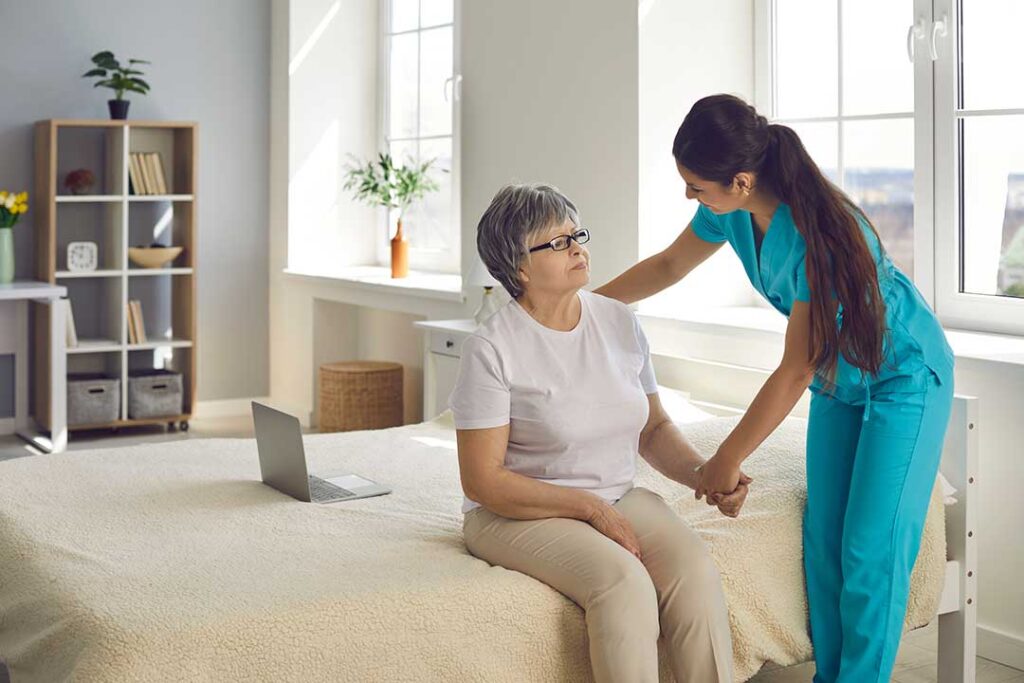
Moving to assisted living often involves more than filling a suitcase. The goal is to bring what supports daily routines, comfort, safety, and personal identity without overcrowding the new living space. A thoughtful packing plan also makes the transition easier for family members and staff.
What should be packed first?
Start with the items needed during the first few days, then add seasonal clothing, personal belongings, and less frequently used items. Packing in stages helps prevent forgotten essentials and reduces the pressure of making every decision at once.
A useful first group includes:
- Identification, insurance information, medication lists, emergency contacts, and admission paperwork
- Prescription medications and written instructions, following the residence’s medication policy
- Eyeglasses, hearing aids, dentures, chargers, and storage cases
- Comfortable clothing for several days
- Toiletries and personal care items
- A familiar blanket, pillow, photo, or other comforting object
- A small amount of money, if appropriate and permitted
Keep these items together in a clearly marked bag or container. Important documents should not be packed in checked luggage or placed in a box that may remain unopened for several days.
How much clothing is enough?
Most residents need enough clothing for about seven to ten days, depending on laundry arrangements. Excess clothing can make drawers difficult to use and may increase the chance of items being misplaced.
A practical wardrobe may include:
- Everyday shirts, blouses, or sweaters
- Comfortable pants, skirts, or other preferred clothing
- Undergarments and socks
- Sleepwear
- A lightweight robe or housecoat
- A sweater, cardigan, or fleece layer
- A coat suitable for cold weather
- Comfortable shoes with secure soles
- Non-skid slippers, if allowed and safe for the resident
Jersey Shore experiences changing seasons, so clothing should be suitable for warm summers, cold winter conditions, wet weather, and sudden temperature changes. Heavy winter items may not need to be placed in the room immediately, but they should be labeled and available before colder weather arrives.
Choose clothing that is easy to put on and remove. Elastic waistbands, front-opening shirts, larger pulls, and soft fabrics may be helpful for residents with arthritis, limited hand strength, or reduced mobility.
Should every item be labeled?
Yes. Clothing, shoes, glasses cases, personal care items, and mobility accessories should be marked with the resident’s name. Labeling is especially useful when laundry is handled by the residence or when several residents have similar belongings.
Use labels that are durable and easy to read. Clothing labels should be placed where they will not irritate the skin. Items such as walkers, canes, wheelchair cushions, blankets, and activity supplies can also be marked discreetly.
Avoid bringing irreplaceable jewelry, expensive keepsakes, large amounts of cash, or documents that are not needed for daily care. A simple inventory with photographs can help families track valuable or important belongings.
What personal items help a new room feel familiar?
Familiar objects can make an unfamiliar room feel more comfortable. The best choices are usually meaningful, practical, and easy to manage.
Possible additions include:
- Framed family photographs
- A favorite quilt or washable throw
- A small clock or calendar
- Familiar books, magazines, or puzzles
- A radio, tablet, or music player
- Simple decorations that reflect the resident’s interests
- A small plant, if permitted and easy to care for
- A favorite mug or lightweight cup
Avoid filling the room before understanding its layout. Measure larger furniture or decorative pieces in advance if the residence has provided room dimensions. Walkways, doors, closet access, and areas around the bed must remain clear.
Some residents benefit from visual reminders, such as a clearly displayed family photograph or a sign with their name. These details may also help a person recognize their room.
What toiletries and personal care supplies are needed?
Pack the personal care products the resident normally uses, unless the residence supplies them. Confirm the policy before bringing items such as razors, electric grooming tools, candles, or products that could create a safety concern.
Common supplies include:
- Toothbrush, toothpaste, and denture-care items
- Hairbrush or comb
- Shampoo and conditioner
- Body wash or gentle soap
- Deodorant
- Moisturizer and lip balm
- Shaving supplies
- Tissues
- Nail-care items, if permitted
- Incontinence supplies, if the care plan requires them
Keep products in containers that are easy to identify. Pump bottles may be easier to use than small caps for residents with limited dexterity. If a resident has allergies, sensitive skin, or a prescribed skin-care routine, those details should be documented for the care team.
What medical and mobility items should come along?
Medical equipment should be coordinated with the residence before moving day. Some communities provide equipment, while others require families to bring or arrange certain items.
Ask about:
- Walkers, canes, wheelchairs, and transfer equipment
- Blood pressure monitors or other personal devices
- Oxygen equipment
- Specialized mattresses or cushions
- Hearing-aid supplies
- Incontinence products
- Adaptive eating utensils
- Communication devices
Do not bring duplicate equipment without checking first. Extra items can create clutter or interfere with safe movement. Mobility devices should be labeled and adjusted appropriately. Loose rugs, unstable furniture, and electrical cords should not be used to make a room feel more home-like if they create tripping hazards.
What technology is useful, and what should be left behind?
Technology can help residents stay connected, but it should match the person’s comfort level. A simple phone, tablet, or radio may be more useful than several complicated devices.
Pack chargers, cases, written instructions, and any accessibility accessories. Label cords and devices, especially if more than one resident may have similar equipment.
Before moving, review privacy settings and remove automatic payment information or unnecessary applications. A large-print contact list may be useful if remembering phone numbers or navigating a device has become difficult.
What should families ask before packing?
Packing policies differ, so families should request the residence’s current move-in checklist. Useful questions include:
- Is laundry provided, and how should clothing be labeled?
- Are televisions, microwaves, mini-refrigerators, or small appliances allowed?
- Are personal medications kept in the room or managed by staff?
- What toiletries and incontinence supplies are provided?
- Are candles, electric blankets, heating pads, or cooking appliances restricted?
- Are pets, plants, or aquariums permitted?
- What furniture is already in the room?
- How much wall decoration is allowed?
- Are there storage limits?
- What items are recommended for outdoor winter travel or transportation?
These questions can prevent unnecessary purchases and help families pack according to actual room size and safety requirements.
How can packing be less stressful for the resident?
Packing should involve the resident as much as possible. Offer manageable choices rather than asking the person to decide about every possession at once. For example, choosing three favorite outfits or selecting several photographs may be easier than sorting an entire home.
Use a simple system: keep, store, donate, or discard. Family members can handle items that require difficult decisions while the resident chooses the belongings that will be visible in the new room.
For a move during hot summer weather, cold winter conditions, or a period of rain, keep medications, paperwork, water, and a change of clothing accessible during travel. Avoid placing important items in a moving vehicle where they may be difficult to reach.
The most useful packing plan is not the one that brings the most belongings. It is the one that gives the resident familiar comforts, appropriate clothing, necessary health supplies, and enough open space to move safely and settle into daily life.
